


Protrusions, hernias, osteochondrosis - when they are diagnosed, patients immediately rush to the surgeon, without considering conservative methods of treatment, but this is wrong.
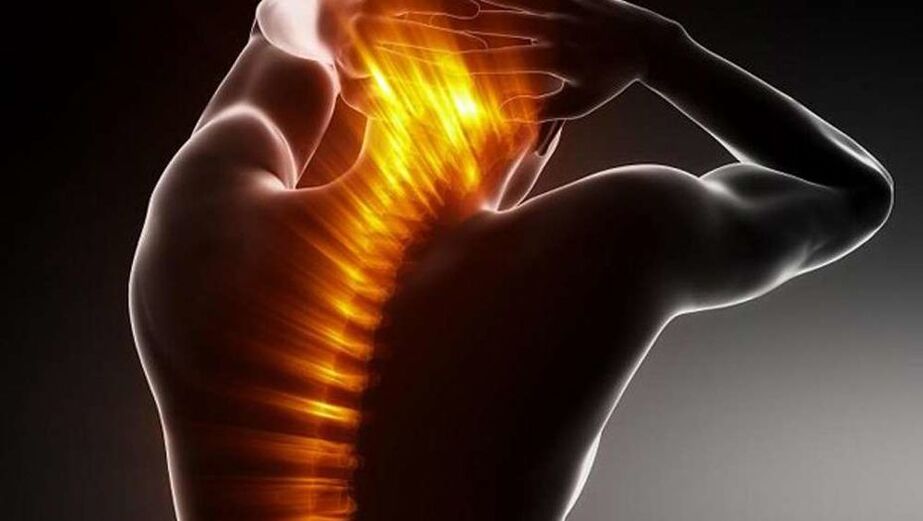
According to statistics, 84% of people experience back pain at least once in their lives.The spine and surrounding muscles are part of the musculoskeletal system.Consequently, its damage is often accompanied by pain, which can occur after bending or turning the head and body and is relieved by rest.Anatomically, the spine is represented by alternating vertebrae and intervertebral discs.The latter are subject to degeneration over time, which leads to the formation of protrusions and hernias.These structures can cause pain by themselves or through compression of neighboring structures - nerve roots and spinal ligaments.In some cases, they can cause stenosis (narrowing) of the spinal canal (space where the spinal cord is located).
Among other things, the vertebrae are connected by paired facet joints, a more rigid structure than the intervertebral disc.Its damage in 15-65% of cases causes back pain.Up to 30% of low back pain is caused by damage to the sacroiliac joint, a paired structure that connects the sacrum and pelvic bones.Ultimately, any irritation increases the tone of the muscles around it, which over time causes a separate myofascial syndrome.
As a rule, physical activity causes back pain, especially in cases where it is pronounced or intense, or when it is performed in an unnatural position, or when it involves prolonged exposure to a forced position, for example, when driving a car or at a desk.A person's body weight and physical fitness are of great importance, since the severity of the load is always relative.
What are the reasons for its development?
It is impossible to clearly name the reasons for the development of osteochondrosis, but several factors contributing to the occurrence of this disease can be identified: poor physical development, metabolic disorders in the body, genetic predisposition, incorrect posture, prolonged stay in one position (for example, in front of a computer monitor, while driving), physical inactivity, excessively soft bed, flat feet.As a rule, these reasons are associated with poor nutrition.
What to do if you have back pain?
The most important rule is not to self-medicate!
Initially, you need to make an appointment with a neurologist or neurosurgeon.To establish an accurate diagnosis, a comprehensive examination of the patient is necessary, which necessarily includes x-rays of the spine and tomography (magnetic resonance imaging or computed tomography. The appointment of a particular study should be done only by the attending physician based on the specific clinical picture.
Drug treatment of spinal osteochondrosis includes not only relieving pain, but also, if possible, eliminating the root causes.The doctor prescribes complex therapy (chemotherapy, physiotherapy, acupuncture, balneotherapy)
Comprehensive therapeutic care for osteochondrosis includes correction of diet and lifestyle (healthy and active lifestyle, optimal amount of physical education), the prescription, in some cases, of drugs from the chondroprotective group that improve the condition of cartilaginous tissue.
The main indication for surgical treatment of degenerative-dystrophic diseases of the spine is the ineffectiveness of conservative drug therapy for 4-6 weeks, intractable pain syndrome, as well as increased weakness in the legs, which in some cases may be accompanied by urinary incontinence.Late and incorrect treatment in such situations can lead to a number of undesirable consequences and complications, including disability.
Back pain is recognized as the most common.Experts explain this by the peculiarities of human anatomy.The fact is that the spine is subject to stress throughout a person's life: from the moment they stand up, in childhood, until death.The spine wears out, and sooner or later almost everyone has problems with it.The most common diagnoses made for back pain are “osteochondrosis” and “sciatica”, while patients often make them themselves and prescribe treatment, without consulting a doctor.However, even behind these diagnoses, which seem to be heard by everyone, there are often reasons that only an experienced specialist can determine.
What hurts there?
The vast majority (around 95%) of pain is associated with muscles, ligaments and joints.This is popularly called a back strain.These pains are unpleasant but not dangerous and, in most cases, disappear on their own within 2 to 3 days.
3–4% of pain is associated with radiculopathy (radiculitis) – damage to the spinal root.It is usually damaged by a hernia.The pain disappears when the swelling caused by the compression disappears.
1–2% of back pain is caused by injuries or inflammatory diseases of the spine, oncological processes, diseases of the cardiovascular system or gastrointestinal tract, in which the pain syndrome can spread to the back.This is the most dangerous type of back pain.To exclude such pathologies, consult a doctor.
You can't hesitate
The main indicator that you need medical attention is the regularity of the pain.If you feel cramps every now and then, there's probably nothing to worry about.If pain of low or moderate intensity haunts you relentlessly, you cannot hesitate.It is necessary to urgently consult a doctor if the pain is accompanied by an increase in temperature or the pain syndrome increases during treatment.
Types of pain
Doctors identify 3 types of pain, which are most often felt in the back area.The doctor's task is to determine exactly what kind of pain is bothering the patient who contacts him, because each of them will be treated exclusively in his own way.
Nociceptive painor, simply, pain in the receptors - in the skin, muscles, ligaments, joints - is considered the most common.The causes that cause it are usually not visible on x-rays or CT scans.In this case, the specialist makes the diagnosis based on the symptoms described by the patient.The causes of muscle spasms can be, for example, physical exertion, when a person lifts something heavy, bends over sharply or a change in temperature (a common example is air conditioning).This type of pain is treated with two types of medication.
Acute pain is treated with analgesics, anti-inflammatories and muscle relaxants.In this case, there can be no other therapy.When the pain syndrome is relieved, we recommend that the patient strengthen their muscles through physical exercises.This is the treatment and prevention of the disease in the future.
Exercise not only helps strengthen your muscles, but it also helps produce endorphins in the body, as well as serotonin and norepinephrine.These substances increase a person's pain threshold and alleviate depression.
Neuropathic painor nerve pain, popularly this disease is better known as sciatica.This type of pain occurs mainly when a spinal hernia becomes large and compresses the nerve endings.At the same time, experts warn patients and the entire professional community against misdiagnosis in cases where X-rays or MRIs reveal that there is a hernia or some other type of wear and tear on the spine, but it is not significant enough to affect the nerve.It is necessary to carefully understand the true cause of the pain.It is possible that muscle spasm is to blame, and this is a completely different type of pain, and the treatment for it will also be different.What is considered osteochondrosis not only does not manifest itself as pain, but is also the norm.
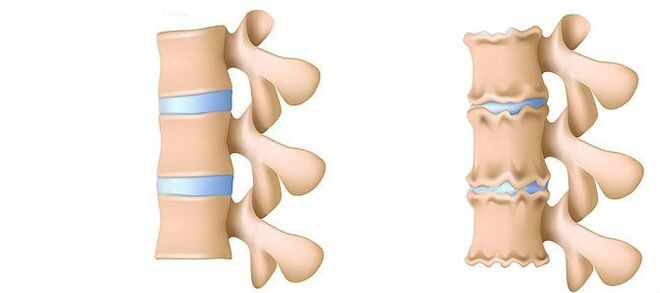
Osteochondrosis is a sign of aging of the body.But “osteochondrosis” and “pain” are not the same thing.Since there are practically no nerve endings in the bone tissue, protrusions (the initial stage of a herniated intervertebral disc. - Author) or hernias cannot hurt by themselves.Even studies were done: groups of people of different ages had MRI scans - they selected, mainly, those who had never consulted a doctor with complaints of back pain, but were diagnosed with hernias and osteochondrosis.
In addition, the doctor gives examples of when patients received treatment - and the pain went away, despite the fact that osteochondrosis remained in the picture.Osteochondrosis today is a locally used concept.
There are countries where the word “osteochondrosis” is not even used.Last year they officially said that this diagnosis was made by neurologists of the previous generation.Abroad, when a patient arrives at the consultation and says they have back pain, they are diagnosed with non-specific back pain, but it is understood that the person has put pressure on their muscles.
Experts generally confirm that the pain is caused by radiculitis and not a spasm by a symptom in the form of back pain radiating along the nerve to the leg.
Nerve pain can also be caused by complications caused by diabetes and herpes.In diabetes, patients often complain of pain, as the disease damages the nervous system.Postherpetic neuralgia is characterized by rashes along the damaged nerve and, consequently, pain.There are special medications to treat nerve pain.
Antiepileptic and antidepressant medications are used to treat neuropathic pain.The name of medications of this type, it must be said, often scares patients, so it is important to explain to them that it is antidepressants that increase the pain threshold.These are the standards for treating pain.
Psychogenic painor chronic.This type of pain is not caused by physical changes in the human body, but by a change in your mental state.In this case, the symptoms torment the patient for a long time.In this case, as a rule, it is not only the back that hurts.
It happens that people come and say: "Everything hurts - my head, my back - constantly. You ask: did they lift something heavy? No! And there is no clear localization. In this case, we can conclude that the patient has a reduced pain threshold and the pain analyzer, which is located in the brain, makes itself felt constantly. Anything can provoke pain in this patient: overwork, stress, a feeling of fear.
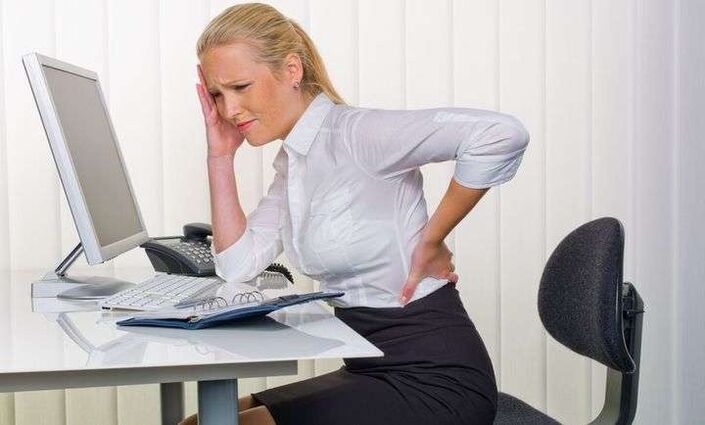
Painkillers will not help in this case.For patients with chronic pain, experts often prescribe antidepressants and exercise, but sometimes it is enough to discover the cause with the help of a psychologist or psychiatrist.
A young woman who complained of back pain for six months says she suffered.I recommended that she go to a psychologist and do physical education.A few days later she returned completely healthy, without taking any medication.The psychologist helped her understand that the cause of the pain was stress: she had family problems and physical education helped her relax.
At homeThe most effective remedy is oral anti-inflammatories.Just don't overdo it – they're only safe the first time.When taken for a long time, these medications can cause ulcers and bleeding in the gastric mucosa.Traditional home treatment - non-steroidal ointments - can only be used as an additional measure.They are harmless but ineffective.Wearing a corset also provides relief - the fixation relieves the spine, relieves spasms and limits sudden movements.Only the corset should be normal - elastic and not heated.
If the treatment does not have an effect within three days, you should consult a doctor who will administer a blockade with anti-inflammatory injections.By relieving the spasms and relaxing the muscles, the pain disappears immediately and often forever.
Prohibited!
Baths and massages are strictly prohibited.They increase swelling and pain.
Contact chiropractors through newspaper advertisements.Manual therapy is an area where for every specialist there are three hundred charlatans.If you really want to find a good doctor, contact certified clinics where certified specialists work.
It is important to immediately determine the correct treatment tactics.This should be done by a neurologist or neurosurgeon.Treating your back alone is dangerous.30% of patients in the neurosurgery department tried home treatment methods and ended up in a hospital bed.
When pills don't help
If the drug treatment prescribed by a therapist or neurologist does not produce results within 3 to 6 months and the pain continues to torment the patient, the doctor is obliged to transfer the patient to another specialist.In some situations, physiotherapy can be of great help.It is suitable for the first two types of pain: in receptors and in nerves.Physiotherapy is also prescribed for patients with drug allergies or stomach problems.
Because of this, treatment occurs, but has no effect;Patients often come to us in severe cases, with depression, which is why we approach their treatment with a multidisciplinary approach, involving several specialists: neurologists, psychologists, physiotherapists, neurosurgeons.
Among the techniques used by domestic physiotherapists, borrowed from Russian colleaguesinterstitial electrical stimulation.Its principle is to apply current through a special disposable needle electrode, bypassing the skin barrier, directly at the source of pain.Diagnoses for which this procedure is prescribed include protrusion and hernia.The procedure, according to experts, is comfortable and does not require pain relief.The effect is usually felt after the first procedure.In total, they are assigned from 3 to 6.
Furthermore, it is usedlaser therapy.This technique is also convenient because it can be prescribed to patients with various stimulants, including cardio, and there is no concern that malfunctions will occur.The laser is used not only to treat diseases associated with back problems, but also as a treatment for complications of diabetes and herpes, already discussed.
The laser promotes good healing.Furthermore, the device improves microcirculation in the spine itself and, therefore, improves the nutrition of the discs.As a result, the swelling and inflammation are relieved and the pain consequently disappears.
Block
The concept of “blockage” in medicine is not new.For severe pain, since Soviet times, patients have been given injections into the area where the pain is directly located.Little has changed at local clinics since then.However, according to international recommendations, these procedures must be carried out exclusively under control, using special equipment that allows monitoring the process in real time.The consequences of an unsuccessful injection can be very different: at best, a medicine administered to the wrong site will not produce the desired effect;at worst, it is fraught with serious complications.
The medication must be administered under radiological control: fluoroscopy, computed tomography, magnetic resonance imaging, ultrasound, as the medication is administered specifically to the area where the source of pain is.If the doctor gets to the wrong place, it will cause the patient to stop breathing and give them total spinal anesthesia.
The essence of the block is that the medicine administered for several months to six months prevents the propagation of the impulse along the nerve involved in the conduction of the nerve impulse.Although this procedure does not guarantee a permanent effect, it significantly improves the patient's quality of life: the person completely forgets about the pain for a while, can sleep peacefully or go about his business.
Surgery – pain relief
When medicines do not help - neither pills nor injections, when physical treatment is ineffective, neurosurgeons come to the rescue.Modern technologies allow these specialists to return patients who have suffered from this for consecutive years to pain-free life.There are many techniques: from manipulations with minimal intervention on the body to complex surgical operations with vertebral prostheses.
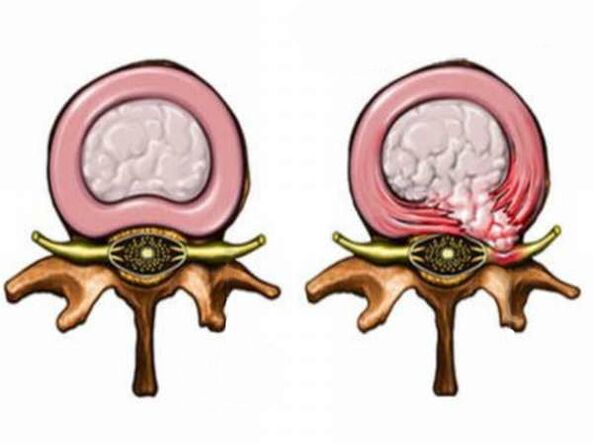
For hernias that compress a nerve, one of the most common and effective methods is calledradiofrequency ablation.In essence, this is a kind of blockage, only instead of a medicine that only temporarily relieves pain, an electric current is used that can completely solve the problem.Ablation is usually done after blockages, thanks to which doctors get a clear understanding of which nerve needs to be affected.The procedure is provided both on a remuneration basis and on a quota basis.
The procedure is performed in 20 minutes.It's called an operation, but it's actually a surgical procedure carried out under local anesthesia, always under the control of special equipment.First, the pain syndrome reproduces, and if the patient confirms that this is exactly the pain he usually feels, we apply a pulsed discharge - and the pain, as it were, turns off.
In special cases, methods are usedneurostimulation, including implantation of an electrode.The patient undergoes surgery: the surgeon places a small device at the site of pain that will suppress painful impulses in real time.Patients receive this procedure according to a quota.
There are cases when various types of surgical interventions have already been carried out, but the pain syndrome persisted to one degree or another, then we install the stimulator - first in test mode, and if the desired effect is achieved, we install it permanently.This is an operation performed with a small incision.The only thing is that the patient will need to come periodically for examination control.
What are we risking?
The risk of surgery, which is why it is postponed or completely refused, is considered by many patients to be very exaggerated.In neurosurgery, there are technologies that allow you to accurately calculate the effectiveness of the operation and which symptoms will disappear after it and which will remain.
The probability of pain returning after surgery does not exceed 1–1.5%.Hernias in other locations can actually appear, but this is not a complication, but a spread of the disease, which often occurs in young and undisciplined patients.As soon as the pain passes, they return to their usual lifestyle: driving, resuming training.But this is absolutely impossible to do.
Is osteochondrosis to blame for everything?
Osteochondrosis is a chronic degenerative-dystrophic change in the intervertebral space.All people over 25 years of age show signs of osteochondrosis.It is impossible to avoid osteochondrosis, but you can protect yourself from its complications, which are the cause of back pain.
Why is it this and not otherwise?
Is it necessary to spend time, effort and money on treatment: pills, injections, physiotherapy, if you can immediately do a small operation and get rid of the pain once and for all?– This is a question that patients have been asking more and more frequently lately.The answer is usually clear: yes, it is necessary!The fact is that, with accurate diagnosis and adequate treatment, only a few are able to undergo operations.The others eliminate pain in the first stages of care - on average, 30% of patients are eliminated at each stage.
It is a mistake when people, seeing a bulge or hernia in a picture, immediately rush to the surgeon, bypassing specialists in the previous stages of care.In cases where the changes are minor, surgery is not necessary.In addition, with a proper lifestyle - doing physiotherapy, swimming, monitoring body weight - a person with so-called osteochondrosis can feel healthy and not experience pain.
It is important that at each stage the patient receives an accurate diagnosis and the correct treatment is prescribed.This can only be achieved collectively.It is also proposed, following the example of foreign experience, the introduction of a new specialization, such as the algologist - a type of therapist specialized in pain, a doctor with knowledge of a neurologist and interventional anesthesiologist, capable of treating without taking the matter to surgery, but, if surgical intervention is still unavoidable, will promptly transfer the patient to neurosurgeons.